
NAD+
Price range: $149.00 through $199.00
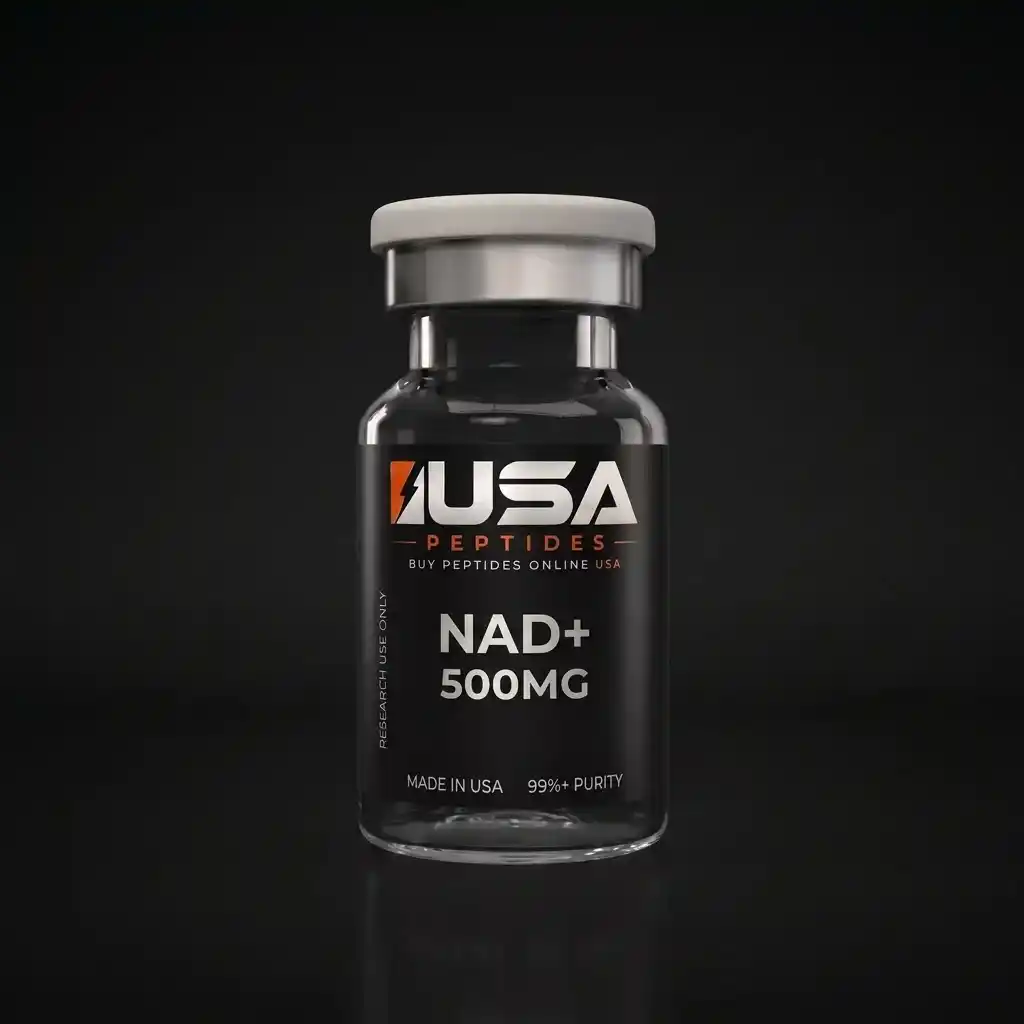
NAD+ (Nicotinamide Adenine Dinucleotide) is an essential coenzyme required for cellular energy creation, DNA repair, and enzyme signaling. Our research-grade NAD+ peptide features verified ≥99% purity confirmed by independent laboratory testing. Formulated for high stability, this compound provides consistent, repeatable results across cellular assays and mitochondrial research models.
- Physical Form: High-grade lyophilized (freeze-dried) powder
- Verified Purity: ≥99% pure (HPLC and Mass Spectrometry verified)
- Fast Domestic USA Shipping: Direct express dispatch with cold-pack temperature protection
NAD+ is an essential coenzyme involved in cellular energy metabolism and fundamental biological processes. This high-purity peptide formulation offers consistent quality for advanced scientific investigation and laboratory applications. Please note that this product is strictly intended for research purposes and is not for human or therapeutic use.
Product Technical Profile
Below are the verified biochemical specifications for our high-purity NAD+ research compound:
| Property | Specification |
|---|---|
| Product Name | NAD+ (Nicotinamide Adenine Dinucleotide) |
| Chemical Formula | C21H27N7O14P2 |
| Molecular Mass/Weight | 663.43 g/mol |
| CAS Number | 53-84-9 |
| Sequence | Not applicable (Dinucleotide coenzyme) |
| Physical Appearance | Fine white to off-white lyophilized powder |
| Purity Standard | ≥99% (HPLC and Mass Spectrometry verified) |
| Storage Conditions | Store lyophilized at -20°C; protect from light and moisture |
Lab Testing Verification & Certificate of Analysis (COA)
Quality and precision are critical for reliable scientific data. Every batch of NAD+ sold on Buypeptidesonlineusa.org undergoes rigorous third-party lab testing before release. We use High-Performance Liquid Chromatography (HPLC) to confirm that chemical purity meets or exceeds 99%. We also use Mass Spectrometry (MS) to verify the exact molecular mass of 663.43 g/mol.
Researchers can easily verify their batch purity. Simply locate the lot number printed on your product vial label. Visit Buypeptidesonlineusa.org and match your lot number to download the matching Certificate of Analysis (COA). We deliver complete transparency for every experiment you perform.
What Is NAD+?
NAD+ stands for Nicotinamide Adenine Dinucleotide. It is an essential coenzyme present in every living cell in your body. Biochemical design involves two nucleotide rings joined together by phosphate groups. One ring contains an adenine base, while the other contains a nicotinamide base.
In simple terms, think of NAD+ as a rechargeable cellular battery. It exists in two primary forms inside the cell: an oxidized form (NAD+) and a reduced form (NADH). When cells break down nutrients like glucose, NAD+ picks up high-energy electrons and becomes NADH. It then carries these electrons to the cell power plants, known as mitochondria, to create chemical energy. While synthesized under strict laboratory conditions for purity, its molecular structure perfectly mirrors the natural coenzyme required for basic cell survival.
Specific Primary Use & Target Function
The primary use of NAD+ in laboratory settings is investigating cellular energy production, mitochondrial health, and signaling pathways related to cell aging. Researchers frequently choose pure NAD+ over precursor molecules like nicotinamide riboside (NR) or nicotinamide mononucleotide (NMN).
Why choose direct NAD+ for lab assays? Precursor compounds rely on specialized enzymes inside the cell to convert into active NAD+. These conversion steps can create bottlenecking or inconsistent rates across different cell types. Supplying pure NAD+ directly into cell culture assays bypasses these enzymatic rate-limiting steps. This gives researchers precise control over intracellular coenzyme availability during controlled bioenergetic experiments.
Mechanism of Action & Scientific Research
NAD+ works through two distinct cellular pathways: electron transport and direct enzyme binding. To understand electron transport, imagine a tiny delivery truck. NAD+ accepts electrons from metabolic pathways like glycolysis and the Krebs cycle. It drops off those electrons at the inner mitochondrial membrane, driving the creation of adenosine triphosphate (ATP), the primary energy currency of cells.
The second key mechanism works like a classic lock-and-key receptor binding model. NAD+ acts as a specialized key that unlocks key enzymes, notably sirtuins (SIRT1-SIRT7) and poly(ADP-ribose) polymerases (PARPs). Sirtuins regulate gene expression, inflammation, and metabolic homeostasis. PARP enzymes use NAD+ to locate and repair damaged strands of DNA. When NAD+ levels drop, these enzymes cannot function properly, leading to impaired cellular repair.
Scientific research published over the past decade confirms these vital pathways. A seminal study by Yoshino et al. (2018) in Cell Metabolism (PMID: 29514064) demonstrated how maintaining optimal NAD+ pools directly sustains mitochondrial respiration and metabolic function. Further research by Imai and Guarente (2014) in Trends in Cell Biology (PMID: 24786309) detailed how NAD+-dependent sirtuin activation influences epigenetics and cellular lifespan. Additionally, work by Verdin (2015) in Science (PMID: 26635032) highlighted the central role of NAD+ decline in metabolic stress and cellular aging.
Laboratory Research Applications
Due to its central biochemical role, pure NAD+ is utilized across many fields of biological inquiry. Common laboratory applications include:
- Mitochondrial Respiration Assays: Measuring cellular oxygen consumption rates and ATP synthesis output.
- Sirtuin Enzyme Activity Studies: Investigating epigenetic changes, histone deacetylation, and gene expression control.
- DNA Damage & Repair Models: Tracking PARP-1 enzyme activation during stress-induced single and double-strand DNA repair.
- Cellular Senescence Investigations: Monitoring cell survival rates, inflammatory signaling, and metabolic decline in aging cell lines.
- Oxidative Stress & Redox Balance: Analyzing how the NAD+/NADH ratio shifts under oxidative cellular conditions.
Key Observable Benefits for Researchers
When incorporating high-purity NAD+ into experimental protocols, researchers can reliably measure several clear parameters:
- Elevated Oxygen Consumption Rate (OCR): Observable increases in mitochondrial respiration efficiency during metabolic assays.
- Measurable SIRT1 Activation: Quantifiable increases in sirtuin activity using fluorescence-based enzymatic assays.
- Enhanced DNA Repair Kinematics: Faster clearance of damaged DNA markers following exposure to cellular stressors.
- Increased Intracellular ATP Production: Higher ratios of ATP relative to ADP in treated cell cultures.
- Improved Redox Ratios: Precise restoration of normal NAD+ to NADH balance in metabolic disease models.
Why Buy From Buypeptidesonlineusa.org?
Selecting reliable reagents is essential for accurate scientific data. Buypeptidesonlineusa.org is a trusted supplier of high-purity research compounds across the United States. Here is why scientific institutions choose us:
- Verified ≥99% Purity: Every batch is rigorously analyzed by third-party HPLC and Mass Spectrometry testing.
- Transparent Batch Documentation: Download clear Certificates of Analysis directly matching your vial’s lot number.
- Protective Packaging: Vials are sealed under inert gas and protected from air, moisture, and light damage.
- Fast USA Domestic Shipping: Fast shipping options ensure your order arrives quickly with intact chemical stability.
- Dedicated Support: Experienced customer service personnel ready to assist with order tracking and product details.
Storage, Reconstitution & Shipping Protocol
Proper handling ensures your NAD+ maintains maximum stability and shelf life. Follow these standard laboratory protocols:
Unopened Storage: Store the dry lyophilized powder at -20°C. Keep the vial sealed in a dark, dry container to protect it from light and ambient moisture.
Reconstitution Procedure: Allow the glass vial to reach room temperature before adding liquid. Using a sterile syringe, slowly introduce Bacteriostatic Water or Sterile Water down the inner glass wall of the vial. Avoid spraying directly onto the powder cake.
Mixing Technique: Gently swirl the vial in smooth circular motions until the powder dissolves completely. Do not shake the vial vigorously, as violent motion can break down delicate molecular bonds.
Reconstituted Storage: Once liquid is added, store the solution at 2°C to 8°C for short-term use, or aliquot and freeze at -20°C for longer storage. Avoid repeated freeze-thaw cycles.
Shipping Protocol: We ship all domestic orders in insulated packaging using high-speed courier services to prevent thermal exposure during transit.
Frequently Asked Questions
What is the primary laboratory use for NAD+?
NAD+ is primarily used in cell culture and biochemical assays to study mitochondrial energy creation, sirtuin activation, DNA repair pathways, and cellular senescence.
Which reconstitution liquid should researchers use?
Researchers commonly use Sterile Water for Injection or Bacteriostatic Water. Choose based on your specific assay requirements and intended duration of storage.
What is the safe way to dissolve NAD+ powder?
Gently inject diluent along the side of the vial wall. Swirl the container smoothly between your fingers. Avoid harsh shaking to protect molecular stability.
How long does reconstituted NAD+ remain stable?
When stored properly at 2°C to 8°C, reconstituted solutions should be used promptly. Aliquoting and freezing at -20°C extends stability for longer research timelines.
How fast will my order ship from Buypeptidesonlineusa.org?
We dispatch orders rapidly using fast domestic USA shipping. Orders are packed carefully in insulated thermal protection to ensure fresh arrival.
How do I view the COA for my specific vial?
Locate the lot number printed on your vial’s label. Navigate to Buypeptidesonlineusa.org and open the batch verification portal to view or download your official COA report.
Scientific References & Literature Citations
- Yoshino, J., Baur, J. A., & Imai, S. I. (2018). NAD+ Intermediates: The Biology and Therapeutic Potential of NMN and NR. Cell Metabolism, 27(3), 513-528. PMID: 29514064.
- Imai, S. I., & Guarente, L. (2014). NAD+ and sirtuins in aging and disease. Trends in Cell Biology, 24(8), 464-471. PMID: 24786309.
- Verdin, E. (2015). NAD+ in aging, metabolism, and neurodegeneration. Science, 350(6265), 1208-1213. PMID: 26635032.
Regulatory Compliance & Research Disclaimer
All products available on Buypeptidesonlineusa.org are strictly manufactured for laboratory in-vitro and scientific research use only. They are not intended for human consumption, clinical use, or medical diagnosis.
| SELECT | 500MG, 1000MG |
|---|
Related Products
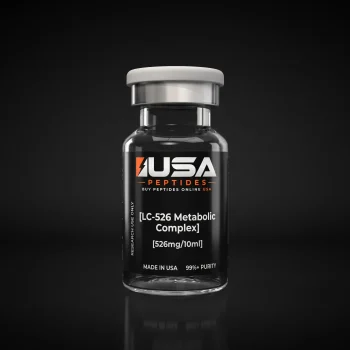
LC-526 Metabolic Complex is a high-grade research peptide blend engineered to investigate cellular metabolism, fat breakdown, and mitochondrial energy production. Every vial undergoes strict quality controls to ensure a purity standard of 99% or higher. It is freeze-dried and sealed under sterile conditions, making it ready for accurate laboratory testing.
- Physical Form: Lyophilized (freeze-dried) powder in a sterile glass vial
- Verified Purity: ≥99% pure as verified by independent HPLC testing
- Fast Domestic USA Shipping: Express dispatch from USA facilities with protective packaging
10 in stock
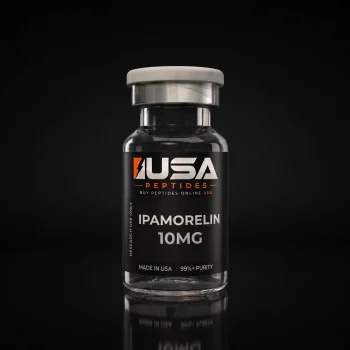
Ipamorelin 10mg is a highly purified synthetic pentapeptide designed specifically for advanced laboratory research and biochemical assays. Each vial features verified purity of 99% or higher, giving scientists dependable consistency across test models. Engineered to selectively stimulate growth hormone release without elevating off-target hormones, this high-grade peptide arrives ready for rapid reconstitution in controlled laboratory settings.
- Physical Form: Lyophilized (freeze-dried) white powder in a sealed glass vial
- Verified Purity: ≥99% pure as verified by HPLC and Mass Spectrometry testing
- Fast Domestic USA Shipping: Same-day dispatch with temperature-controlled handling
111 in stock
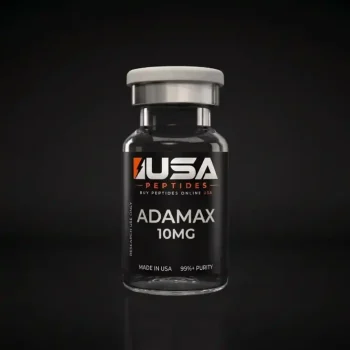
ADAMAX 10mg is a premium, synthetic peptide derivative engineered specifically for high-precision laboratory and in-vitro research. By combining the core N-acetyl Semax peptide structure with a unique adamantyl moiety, ADAMAX offers superior enzymatic stability and enhanced cellular permeability during scientific assays. Every batch is independently tested to guarantee a minimum purity of 99%, providing consistent, reproducible data for your laboratory setup.
- Physical Form: Lyophilized (freeze-dried) white powder in a sealed glass vial
- Verified Purity: Greater than or equal to 99% (HPLC and Mass Spectrometry verified)
- Fast Domestic USA Shipping: Ships directly from our USA warehouse within 24–48 hours
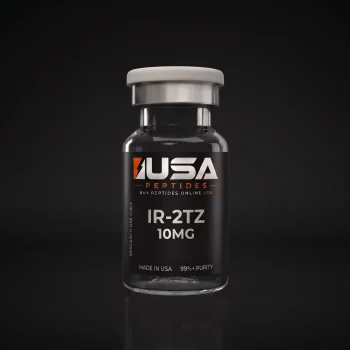
IR-2TZ Peptide is a premium, laboratory-grade synthetic peptide designed specifically for scientific research in metabolic and endocrine signaling. Each vial contains a highly stable freeze-dried cake engineered to deliver high receptor affinity and consistent experimental results. Tested independently to confirm a purity level of 99% or higher, IR-2TZ provides research institutions with a reliable compound for precise in-vitro cellular assays.
- Physical Form: Lyophilized (freeze-dried) powder cake in a sterile glass vial.
- Verified Purity: ≥99% purity rating confirmed by HPLC and Mass Spectrometry analysis.
- Fast Domestic USA Shipping: Direct dispatch from United States fulfillment centers with temperature-controlled protective packaging.
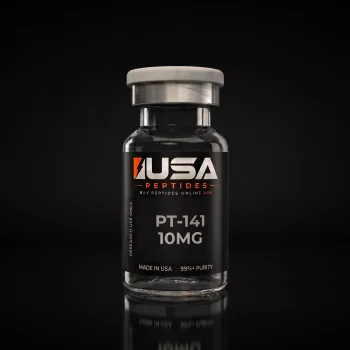
PT-141 10MG is a high-purity synthetic research peptide designed for laboratory assays studying central nervous system pathways. Every batch is tested by independent laboratories to guarantee a purity level of 99% or greater. This lyophilized peptide provides scientists with stable, consistent, and reproducible results in experimental models.
- Physical Form: Freeze-dried (lyophilized) white powder in a sealed 10mg glass vial.
- Verified Purity: Greater than or equal to 99% purity confirmed through HPLC and Mass Spectrometry.
- Fast Domestic USA Shipping: Direct shipping from our USA fulfillment center for rapid lab delivery.
98 in stock
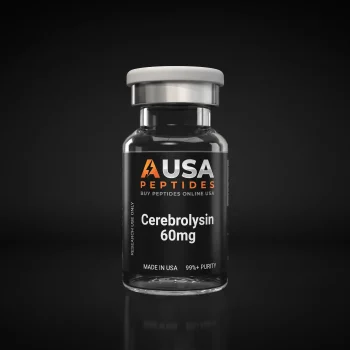
Cerebrolysin 60MG is a premium, research-grade neuropeptide preparation engineered for advanced cellular and neurobiological assays. Every lot undergoes strict third-party analytical testing to guarantee a purity level of at least 99%. This compound provides laboratory researchers with a reliable, standardized solution for studying neuronal protection, repair mechanisms, and cellular growth pathways. Secure your high-purity research materials today to ensure repeatable, publishable scientific results.
- Physical Form: Lyophilized (freeze-dried) powder cake in a sterile glass vial
- Verified Purity: ≥99% HPLC and Mass Spectrometry verified
- Fast Domestic USA Shipping: Same-day dispatch with temperature-protected packaging
11 in stock
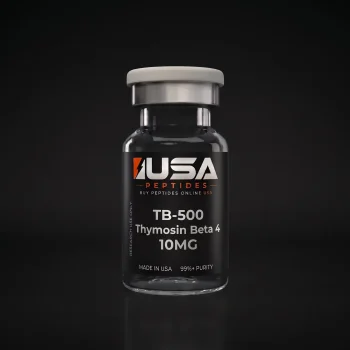
TB-500 10MG is a high-grade synthetic peptide designed specifically for laboratory research and cellular assays. Each vial contains 10 milligrams of freeze-dried peptide cake produced under strict quality standards. It provides researchers with a consistent, reliable tool to study tissue movement, cell migration, and structural protein binding. Order directly from Buypeptidesonlineusa.org for verified batch purity, protective packaging, and fast domestic shipping across the USA.
- Physical Form: Lyophilized (freeze-dried) powder cake in a sealed glass vial
- Verified Purity: ≥99% purity confirmed by independent HPLC analysis
- Fast Domestic Shipping: Priority USA dispatch with temperature-controlled handling
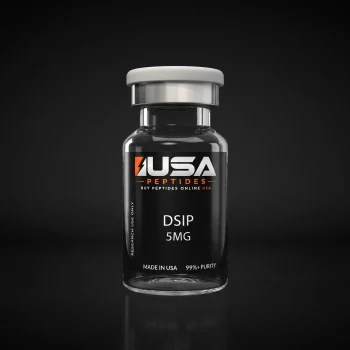
DSIP (Delta Sleep-Inducing Peptide) is a premium-grade neuropeptide provided in a 5mg lyophilized vial for precise laboratory analysis. Sourced under strict quality controls, this compound is designed to support academic and scientific investigations into sleep regulation and related neurological pathways. This product is intended strictly for laboratory research purposes and is not for human consumption, diagnostic, or therapeutic use.
117 in stock
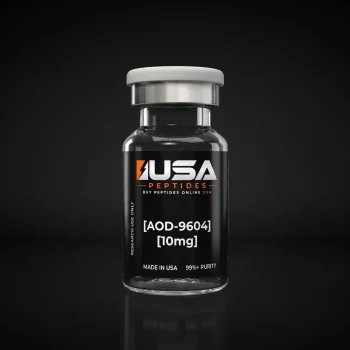
AOD-9604 10MG is a high-purity research peptide designed specifically for advanced metabolic and cellular lipid assays. Each vial delivers 10mg of freeze-dried material, independently tested to guarantee a minimum purity of 99 percent. Researchers choose this refined growth hormone fragment for its consistent stability and reproducible results in laboratory experiments.
- Physical Form: Sterile, lyophilized (freeze-dried) white cake or powder in a sealed glass vial.
- Verified Purity: Greater than or equal to 99% purity confirmed by HPLC and Mass Spectrometry testing.
- Fast Domestic USA Shipping: Dispatched rapidly from our US facility with secure, temperature-conscious packaging.
100 in stock
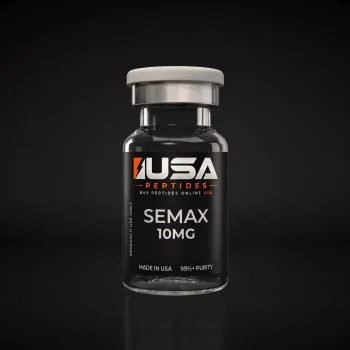
Premium laboratory-grade Semax (Pro-Gly-Pro-ACTH(4-10) analog) lyophilized powder, formulated for high-precision scientific evaluation and analytical neuroresearch. Synthesized in the USA to meet strict quality benchmarks, ensuring optimal stability, reconstitution performance, and peptide sequence fidelity.
- Physical Form: High-grade lyophilized white powder in a sealed glass vial.
- Verified Purity: Greater than or equal to 99% purity verified by HPLC testing.
- Fast Domestic USA Shipping: Direct dispatch from secure, temperature-controlled USA warehouses.
126 in stock
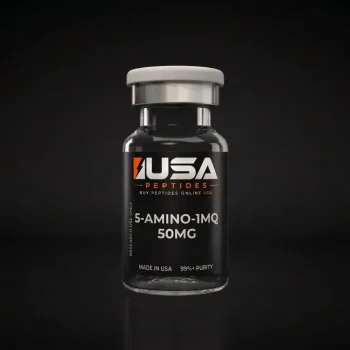
5-Amino-1MQ 50mg is a small-molecule compound designed for targeted enzyme research in laboratory settings. Each batch features a verified purity level of at least 99%, tested using high-performance liquid chromatography. This compound serves as a potent inhibitor of the NNMT enzyme, making it ready for immediate use in cellular assays and metabolic studies.
- Physical Form: Lyophilized (freeze-dried) powder (50mg vial)
- Verified Purity: ≥99% HPLC Third-Party Tested
- Shipping: Fast, discreet domestic USA delivery
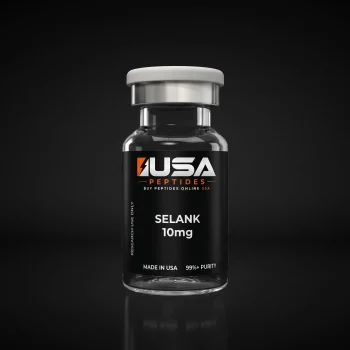
Selank 10mg is a premium, synthetic heptapeptide engineered for advanced laboratory research into central nervous system signaling and neuroprotective pathways. Every vial undergoes rigorous batch testing to ensure a verified purity level of at least 99%. This high-grade research compound provides consistent, repeatable results in cellular and tissue assays, making it an essential tool for neurochemical studies.
- Physical Form: Lyophilized (freeze-dried) white powder in a sealed 10mg glass vial
- Verified Purity: Greater than or equal to 99% purity confirmed by HPLC analysis
- Fast Domestic USA Shipping: Direct dispatch from our domestic facility for rapid lab delivery
198 in stock
Reviews
There are no reviews yet.